

About Solar Power Generation

Solar power, also known as solar electricity, is the conversion of energy from sunlight into electricity, either directly using photovoltaics (PV) or indirectly using concentrated solar power. Solar panels use the photovoltaic effect to convert light into an electric current.Concentrated solar power systems use lenses or mirrors and.
Geography affects solar energy potential because different locations receive different amounts of solar radiation. In particular, with some variations, areas that are closer to thegenerally receive higher amounts of solar.
Early daysThe early development of solar technologies starting in the 1860s was driven by an expectation that coal would soon become scarce, such as experiments by . installed the world's first.
Solar power is cleaner than electricity from ,so can be better for the environment.Solar power does not lead to harmful emissions during operation, but the production of the panels creates some pollution. The carbon footprint of manufacturing is less.
Solar power plants use one of two technologies: •(PV)use , either onor in ground-mounted , converting sunlight directly into electric power.•(CSP).
Cost per wattThe typical cost factors for solar power include the costs of the modules, the frame to hold them, wiring, inverters, labour cost, any land that might be required, the grid connection, maintenance and the solar insolation.
VariabilityThe overwhelming majority of electricity produced worldwide is used immediately because traditional generators can adapt to demand and storage is usually more expensive. Both solar power and are.
Solar generation cannot be cut off byonce installed, unlike oil and gas, which contributes to .As of 2022over 40% of global polysilicon manufacturing capacity is inin ,which raises concerns about human rights violations (
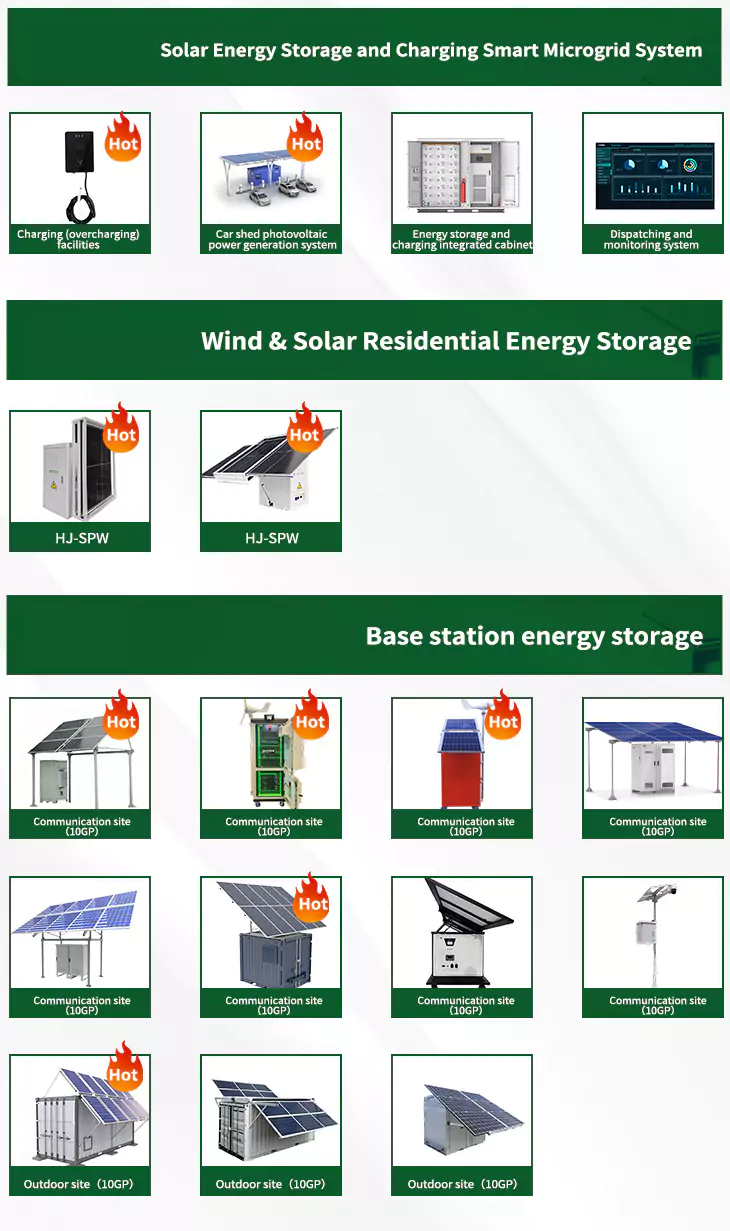
As the photovoltaic (PV) industry continues to evolve, advancements in Solar Power Generation have become critical to optimizing the utilization of renewable energy sources. From innovative battery technologies to intelligent energy management systems, these solutions are transforming the way we store and distribute solar-generated electricity.
When you're looking for the latest and most efficient Solar Power Generation for your PV project, our website offers a comprehensive selection of cutting-edge products designed to meet your specific requirements. Whether you're a renewable energy developer, utility company, or commercial enterprise looking to reduce your carbon footprint, we have the solutions to help you harness the full potential of solar energy.
By interacting with our online customer service, you'll gain a deep understanding of the various Solar Power Generation featured in our extensive catalog, such as high-efficiency storage batteries and intelligent energy management systems, and how they work together to provide a stable and reliable power supply for your PV projects.
6 FAQs about [Solar Power Generation]
Is solar energy a future energy resource?
The utilization of renewable energy as a future energy resource is drawing significant attention worldwide. The contribution of solar energy (including concentrating solar power (CSP) and solar photovoltaic (PV) power) to global electricity production, as one form of renewable energy sources, is generally still low, at 3.6%.
How does solar power work?
Solar power works by converting energy from the sun into power. There are two forms of energy generated from the sun for our use – electricity and heat. Both are generated through the use of solar panels, which range in size from residential rooftops to ‘solar farms’ stretching over acres of rural land. Is solar power a clean energy source?
Where does solar power come from?
Any point where sunlight hits the surface of the earth is a potential location to generate solar power. Renewable energy technologies generate electricity from infinite resources and since solar energy comes from the sun, it represents a limitless source of power.
What is the potential of solar energy?
Solar energy potential Earth's photovoltaic power potential. The potential for solar energy to be harnessed as solar power is enormous, since about 200,000 times the world’s total daily electric-generating capacity is received by Earth every day in the form of solar energy.
Which solar technology will generate the most electricity by 2050?
As shown in Fig. 1, by 2050, solar PV technology is projected to have the largest installed capacity (8519 GW), making it the second most prominent generation source behind wind power, and it is expected to generate approximately 25% of total electricity needs by 2050. Table 1. Global installed solar capacity from 2013 to 2022. Table 2.
How much solar energy will be generated in 2030?
Reaching an annual solar PV generation level of approximately 8 300 TWh in 2030, in alignment with the Net Zero Scenario, up from the current 1 300 TWh, will require annual average generation growth of around 26% during 2023-2030.
Related Contents
- Photovoltaic power generation is solar panels
- Solar power generation grid-connected control process
- Strategic Positioning of Solar Power Generation
- Photovoltaic solar power generation in the sun room
- Solar geothermal wave wind power generation
- Two square meters of solar power generation
- Solar power generation panel fish tank filter barrel
- Solar photovoltaic power generation needs to be considered
- Motor for solar power generation
- Solar Photovoltaic Power Generation Brand
- How many watts does solar power generation 12v 20 amps have
- Is it good to install solar power generation